2026 DC Sustainability Summit

Wednesday, September 16, 2026
Towers Crescent Conference Center

Be part of the 12th Annual DC Sustainability Summit – the premier event for leaders in sustainable design and construction. As the climate crisis intensifies, the built environment faces a pivotal transformation. We can no longer afford to focus solely on operational carbon – the energy used to run our buildings. To achieve a truly decarbonized future, we must expand our focus to whole-life carbon, addressing the “embodied” emissions within materials, construction processes, and end-of-life impacts.

Throughout this energizing, full-day conference, you will engage in dynamic seminars and discussions that explore strategies for reducing carbon across the entire building lifecycle – from design and material selection to construction and reuse. Discover innovative approaches, practical solutions, and emerging technologies at the Innovative Green Product Expo, where the latest advancements in low-carbon building will be showcased live.

Sustainability extends beyond the built environment. This year’s Summit will again include a food drive supporting True Ground Housing Partners, and attendees are invited to bring non-perishable donations to help support the local community.

DESIGNING FOR A DECARBONIZED FUTURE

Agenda

Opening Remarks

9:30 - 9:45

Leading by Example: HITT's new HQ and the Future of Decarbonized Buildings

As building codes shift toward whole-life carbon impacts, the construction industry must move from advocacy to action. This session explores HITT Contracting’s new 270,000-square-foot headquarters, a "living laboratory" designed to achieve net-zero energy and ILFI Zero Carbon certification. The presentation breaks down how the project team translated ambitious sustainability goals into measurable outcomes through a data-driven design process. Grounded in real-world results, this session offers a roadmap for delivering high-performance buildings at scale. Learn actionable strategies for leveraging material transparency and integrated collaboration to lead the charge in decarbonization.
9:45 - 10:30

A Case Study: Passive House & Geothermal Multifamily High-Rise

This session showcases a groundbreaking high-rise, multifamily residential project - currently the only building of its type in Montgomery County to utilize a geothermal heat pump HVAC system. Operating in a competitive, cost-driven construction environment, the project demonstrates how to successfully blend deep sustainability with social responsibility. The team will detail how they leveraged diverse incentive sources to support 4% low-income housing units while simultaneously pursuing elite performance standards. Learn how the integration of geothermal technology and passive house principles can be financially viable for high-density residential developments. The discussion will provide a blueprint for navigating complex certifications and utilizing green incentives to deliver high-quality, equitable, and carbon-neutral housing.
10:30 - 11:15

Bridging the Gap: Aligning Corporate Sustainability & Stewardship Goals with Field Operations

While corporate sustainability and stewardship goals are often set at the executive level, jobsite decisions are driven by the day-to-day realities of schedule, budget, and safety. For superintendents and field engineers, these high-level targets can feel disconnected from the immediate demands of construction. This session focuses on translating corporate sustainability & stewardship goals into practical, field-ready strategies. By using clear metrics and data-driven reporting, sustainability professionals can move beyond compliance to support faster, more informed decision-making – aligning leadership priorities with the needs of field teams.
11:15 - 12:00

DC Multifamily Residential Building Electrifiction Case Studies

With multifamily units making up two-thirds of Washington, DC’s housing stock, the District’s path to decarbonization relies heavily on electrifying existing residential buildings. This session provides a practical roadmap for transitioning from gas-based systems to high-efficiency electric alternatives, specifically within the affordable housing sector. Drawing on diverse case studies - ranging from small to large-scale properties - this presentation breaks down the complexities of multifamily retrofits. Designed for property owners, managers, and policymakers, these real-world examples establish clear expectations and demonstrate that electrification is both achievable and scalable. Gain a better understanding of how to initiate these projects and align them with broader climate goals without compromising building viability.

1:00 - 1:45

Unlocking Decarbonization and Resiliency Through Thermal Energy Networks

As communities chase ambitious resiliency goals, Thermal Energy Networks (district energy systems) are becoming a cornerstone of the low-carbon transition. This session explores the evolution of these networks, moving from traditional high-temperature steam to innovative, low-temperature ambient loops. This session will dive into the mechanics of efficient energy delivery. Whether discussing central plant configurations or decentralized recovery, this presentation provides a technical and financial roadmap for implementing district energy. Gain the insights needed to evaluate which network type best fits their community’s density and climate goals.
1:45 - 2:30

Real Estate Development for Impact: Finance, Compliance, and Partnerships

Take a comprehensive look at the lifecycle of mission-driven housing, from initial concept to final construction. Drawing on cross-disciplinary leadership in real estate development, finance, and construction management, the discussion identifies how to successfully navigate the complexities of the affordable housing sector. Grounded in real-world case studies, this session offers an integrated perspective on delivering community-centered outcomes that are both high-impact and financially sound. Leave with a roadmap for balancing mission with the bottom line in a challenging development landscape.
2:30 - 3:15

Innovative Green Product Expo & Networking Happy Hour

The Green Product Expo is a central feature of the annual DC Sustainability Summit, serving as the region’s premier showcase for the next generation of eco-conscious building materials and environmental technologies. The expo bridges the gap between theoretical sustainability and practical application. It brings together architects, engineers, developers, and facility managers to interact with the physical products that will define the future of the built environment.
3:15 - 5:00

Speaker Bios

Kathy Lawson

Director of Sustainability
DCS Design

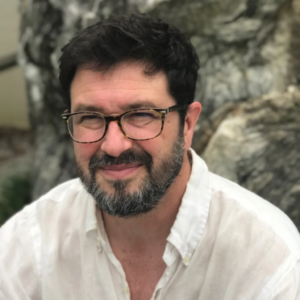
As Director of Sustainability, Kathy guides project teams through the green building process, including preliminary building analyses, energy studies, design coordination, construction phase management, credit tracking, and certification documentation. Her experience across a wide range of LEED, Green Globes, NGBS, and EarthCraft projects enables her to optimize building performance while helping clients achieve the triple bottom line. Kathy leads DCS Design’s Green Team, advances firmwide sustainability initiatives, and hosts the annual DC Sustainability Summit.

Sean Fish

Sustainability Director
Steven Winter Associates

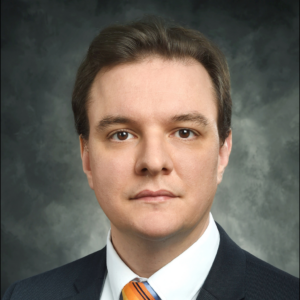
Sean Fish is a Sustainability Director at Steven Winter Associates who specializes in providing comprehensive green building consultation and certification support for commercial and residential projects for his clients. His projects range in scale and scope from tenant fit outs through large multi-building campus developments. He has over 15 years of experience in the green building industry and delivers certification support from strategic planning through design, construction, and verification. Prior to joining Steven Winter Associates, he spent 6 years at the U.S. Green Building Council working on technical development of the LEED rating system.


Tricia Horn

Manager, Sustainable Construction
HITT

Tricia has spent the past six years with HITT Contracting’s Sustainable Construction team, leading and helping project teams turn sustainability goals into practical, buildable solutions. Throughout her time, she has supported the successful certification of more than 100 LEED projects, working closely with owners, architects, engineers, and field teams from early planning preconstruction through project completion. Lately, her focus has been on embodied carbon: tracking and analyzing the carbon impact of building materials, finding opportunities to reduce emissions. What motivates her most is bridging the gap between sustainability and real-world construction. By combining technical knowledge with hands-on project experience, she helps teams make informed decisions that move the needle on decarbonizing the built environment without losing sight of performance and delivery.


Casey Ross

Director of Decarbonization
Lorax Partnerships

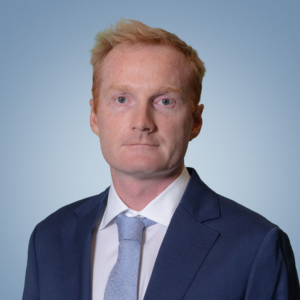
Casey Ross (Ross to his friends) is the Director of Decarbonization at Lorax Partnerships.  He manages Lorax’s services when it comes to energy and engineering; including decarbonization consultation, energy audits (ASHRAE Levels 1 to 3), utility rebates, energy-related tax benefits, energy verification & reporting, energy modeling, and MEP peer reviews.

Ross earned his dual Bachelor of Science degrees from Drexel University in Architectural Engineering and Civil Engineering. Born and raised in Philly, the city always inspired him to appreciate the beauty of the built environment, which he has taken with him to his new home in Baltimore. He is a registered Professional Engineer in the State of Maryland. He brings a long history of experience as a leader in the MEP design profession, having designed and managed MEP building projects in healthcare, education, laboratory, and municipal sectors.

Ross has a passion for analyzing building energy and uncovering some of the mystery of that process. This leads to open communication with clients, accurate results, and an analysis that can be used productively to enhance projects.

Michael Hindle

Principal + Owner
Passive to Positive

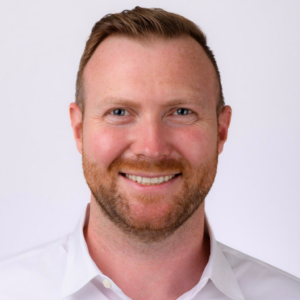
Michael Hindle, MFA, CPHC is the principal of Passive to Positive. Michael was a professional artist and educator for 12 years before deciding to dedicate himself full time to climate change mitigation through design of the built environment. Straight from the painting studio, Michael became one of the nation’s first Certified Passive House Consultants (CPHC) in late 2009. He has consulted on Passive House, zero-energy, and Living Building Challenge projects including single-family and multi-family residential, mixed-use, and small commercial projects from Washington DC to New Hampshire. He has experience in both new construction and retrofits, and is committed to low toxicity, low Global Warming Potential, and carbon sequestering building methods. He is deeply committed to regenerative design practice.

Ally Christie

Manager
CohnReznick

Ally Christie advises public- and private-sector clients on sustainability risk and opportunity management, including support for both voluntary and regulatory reporting needs. She brings seven years of experience managing sustainability and climate projects for over 50 organizations, demonstrating deep capabilities in greenhouse gas (GHG) emissions accounting, climate risk assessments, and developing data-driven sustainability strategies for diverse organizations.

Ted Kowalsky

Industry Practice Leader for Public Finance & Sustainability
CohnReznick

Ted Kowalsky serves as the Industry Practice Leader for Public Finance and Sustainability at CohnReznick, where he focuses on supporting clients and communities on projects at the intersection of public finance, project finance, sustainability and increasing community resilience.  Prior to CohnReznick, Ted helped lead Public Sector Sustainability at an international management consultancy, with a primary focus on energy investments and market development under the $27 billion Greenhouse Gas Reduction Fund (GGRF), a key component of the Inflation Reduction Act.  Earlier still, Ted spent nearly 14 years at the U.S. Treasury as an executive on numerous national stabilization and sustainability programs, including: the $787 billion Troubled Asset Relief Program (TARP); overseeing a $26 billion renewable energy program under the Recovery Act; serving as Executive Director of the $5.5 billion Deepwater Horizon oil spill trust fund and associated grant programs under the RESTORE Act; all the way down to various programs under the CARES Act and helping launch the $350 billion State & Local Fiscal Recovery Program (SLFRP) under the American Rescue Plan in 2021.

Bobby Pierce

Regional Sustainability Manager
Turner Construction Company

Bobby Pierce, P.E., LEED Green Associate, is in his first year with Turner Construction Company as the Mid-Atlantic Regional Sustainability Manager. He supports ESG reporting for over $1 billion of construction work in place annually. He spearheads carbon and resource reduction strategies for construction operations at about 20 sites in D.C., MD, and VA. He ensures achievement of Turner’s strong commitments to reducing their environmental impacts by tracking jobsite emissions, waste, and embodied carbon for itself and trade partners. Bobby supports Turner’s pursuit of green building certifications and trains staff on best practices in sustainable management. Prior to joining Turner, Bobby led USAID’s sustainable development of Jordan’s $6-billion National Desalination Project, disaster resilience and reconstruction in the Philippines and 12 Pacific Island Countries, and water and road networks in Tanzania. He attained a BS Civil Engineering from UC-Davis and a Masters in Natural Resources from Virgina Tech. 

Jennifer Johnston

Analyst
DC Department of Energy and Environment

Jennifer Johnston is an energy efficiency and sustainability leader with more than a decade of experience advancing clean energy policy and resilience initiatives in Washington, D.C. As an Analyst at the DC Department of Energy and Environment, she oversees the DC Sustainable Energy Utility’s multimillion‑dollar financial portfolio and Advisory Board, and manages the agency’s partnership with the Department of Small and Local Business Development to advance the District’s climate and equity goals. She brings expertise in program management, stakeholder engagement, and data‑driven solutions that help shape a more inclusive energy future for the District.

Ryan Gavin

Program Analyst
DC Department of Energy and Environment

Ryan Gavin is a Technical Program Analyst with DC DOEE where he drives capacity building through the development of technical standards and quality assurance protocols.  Drawing on a diverse background including Weatherization, Utility Programs, and Building Energy Performance Standards, he aligns complex policy requirements with technical feasibility and practical field execution.  He supports new initiatives such as the Home Energy Coaching grant and uses his implementation background to bridge the gap between policy, feasibility, and, and large scale program delivery.

Scott Emery

Engineering Manager, Washington DC
FVB Energy

Scott Emery is the Engineering Manager of FVB Energy’s Washington, DC office and a registered professional engineer with over 30 years of experience in geoexchange systems, net‑zero energy consulting, building performance, and business leadership. He has led and supported complex energy projects across the Mid‑Atlantic and East Coast, with expertise spanning design-build geothermal developments, energy audits, and decarbonization strategies for buildings and campuses. Scott specializes in guiding clients through technical, regulatory, environmental, and financial considerations to deliver practical, high‑performance energy solutions. He is known for bridging engineering analysis with real‑world implementation and stakeholder engagement and coordination.

Mohak Chauhan

Director of Construction and Redevelopment
Hilltop Alliance

Mohak Chauhan is Director of Construction and Redevelopment at Hilltop Alliance in Pittsburgh PA, where he leads housing and neighborhood development initiatives focused on revitalization and long-term community stability. His work spans both for-sale and rental housing, along with small-scale commercial and mixed-use projects that support neighborhood reinvestment. The portfolio includes new construction as well as the revitalization and reactivation of vacant and underutilized properties across Pittsburgh’s Hilltop communities, including eleven city neighborhoods and the Borough of Mt. Oliver.

Earlier in his career, Mohak worked on complex real estate development projects, collaborating with multidisciplinary teams on large-scale residential, hospitality and mixed-use construction. That experience informs his approach to community development, where thoughtful design, careful coordination, and the practical realities of neighborhood-scale redevelopment shape the work.

Mohak is an engineer and holds a Master of Science in Civil and Environmental Engineering from Carnegie Mellon University and an MBA in Advanced Construction Management from NICMAR University.

Sponsors

Bronze Sponsors

Advocate Sponsors

Supporter Sponsors

Exhibitors

Host

The DC Sustainability Summit is proudly presented by DCS Design, a DC-based architecture firm championing sustainable design in our community for over 55 years.